Sell a Facility or Fleet Services Business
M&A advisory for commercial fleet maintenance, building envelope, exterior services, and specialty facility services businesses with $5M to $100M in revenue.
Selling a Facility & Fleet Services Business Should Be Straightforward
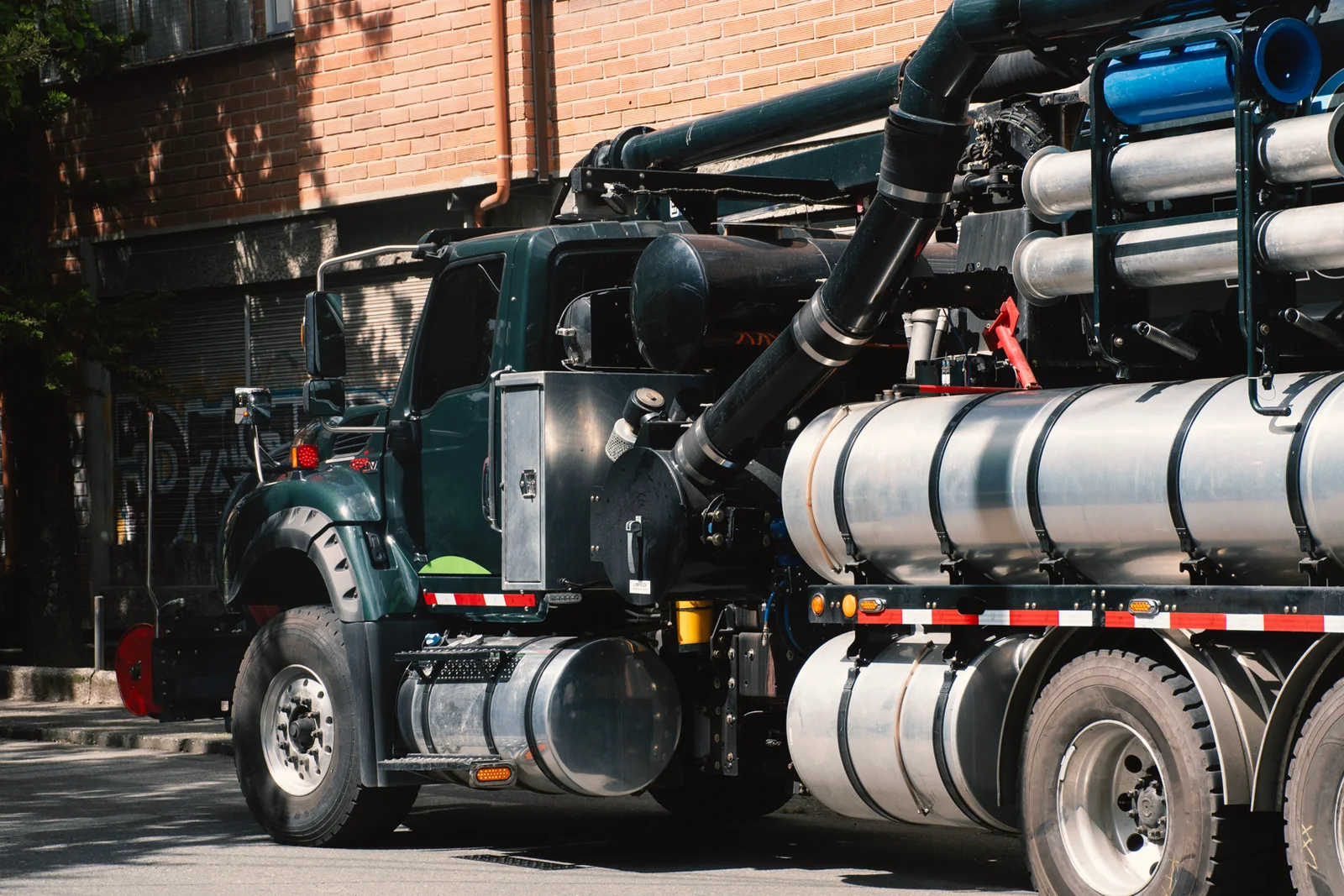
Fleet and specialty facility services businesses are valued on programmatic, scheduled work for multi-site customers. Buyers pay for national and regional accounts, technician retention, and the density that makes routes profitable. Trailhead sold Maktech Fleet Services, a commercial fleet maintenance company serving everything from local operators to national accounts with 10,000 vehicles, to an operator-led sponsor, and we know how buyers in this category weigh account mix, mobile versus shop service, and parts margin.
- ✓ A buyer list built for your business. Every platform, strategic, and sponsor active in facility or fleet services, approached at the same time.
- ✓ Operators on your side. Our partners have acquired, run, and sold their own businesses, including an industrial services company.
- ✓ Success-based fees. We get paid when you close, and we will tell you if the timing is wrong.
What's your business worth?
We'll tell you where a facility or fleet services business like yours sits in today's market and which buyers would compete for it. Free, confidential, and specific to your sub-sector.
Request Free ValuationWho Is Buying Facility & Fleet Services Businesses?
Valcourt Group (Littlejohn), with more than 20 acquisitions since 2021, is the reference platform for building envelope, waterproofing, and exterior services, and Littlejohn completed a continuation vehicle in May 2026 to keep buying. National facility services platforms and PE-backed regional consolidators acquire specialty facility programs, and fleet maintenance businesses draw interest from fleet services platforms, independent sponsors, and operator-led buyers. Below $3M EBITDA, independent sponsors and search funds are the most active group.
What Buyers Evaluate in Facility & Fleet Services Diligence
- Share of revenue from scheduled, programmatic work for multi-site and national accounts
- Customer concentration and the contract terms with the largest fleet or property accounts
- Technician retention, certifications such as ASE for fleet work, and mobile versus shop service mix
- Route density and utilization across the service territory
- Parts and materials margin, inventory turns, and supplier terms
- Fleet, lift, and equipment condition, and any deferred capex a buyer would deduct
Questions Facility & Fleet Services Owners Ask Before Selling
Commercial fleet maintenance and specialty facility services businesses with $5M to $50M in revenue typically sell for 4x to 7x adjusted EBITDA in 2026. Businesses with programmatic multi-site contracts, low customer concentration, and a technician bench that runs without the owner clear the top of that range. Labor-intensive models with thin margins and spot work sit at the bottom.
Building envelope and exterior services platforms such as Valcourt Group (Littlejohn), national facility services consolidators, fleet services platforms, and a deep pool of independent sponsors, family offices, and operator-led buyers below about $3M EBITDA. Trailhead's sale of Maktech Fleet Services to East Fork Trinity Partners is an example of the operator-led buyer path working well at that size.
National and multi-site accounts are valued highly when they come with written service agreements, defined pricing, and a renewal history, because they prove the business can scale across locations. The same account without a contract is a concentration risk. Buyers look at both the size of the account and how it is documented.
Mobile service with dense routes earns higher technician utilization and is attractive to buyers building regional coverage. Shop-based service brings facility and lift capital into the picture, which buyers assess for condition and deferred capex. Most successful sellers have a mix and can show margin by service type.
A well-prepared sale typically runs 7 to 10 months from engagement to close. Maktech went from engagement to a closed deal with a buyer who was the right long-term fit for the founder's customers and employees, which is the outcome a structured process is designed to produce.
Retaining them is the buyer's top priority. Trained technicians are the constraint in both fleet and facility services, so expect buyers to ask for turnover data and to offer retention packages to shop and route leads.
What Is Your Fleet or Facility Services Business Worth Right Now?
We'll give you a straight answer based on what buyers are actually paying for businesses like yours, and tell you who would compete for it.